
Opening Summary
About 51,000 Blue Cactus reclining-chair battery packs have been recalled because their lithium-ion batteries can overheat, creating fire and burn hazards. The September 24, 2026 recall directs owners to stop using affected packs immediately.
Blue Cactus is offering a free replacement battery pack. For owners, the important distinction is between replacing a recalled power component and deciding whether the furniture itself needs replacement. A new chair is not the announced recall remedy.
Replacement Snapshot
Product: The Blue Cactus Company 2500 mAh battery packs for reclining chairs.
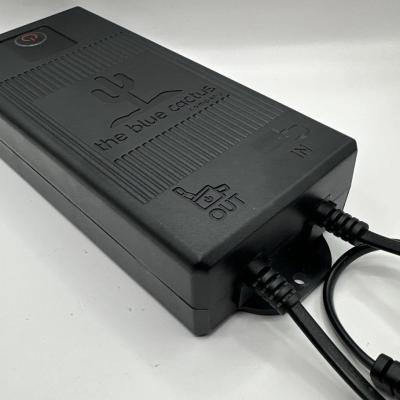
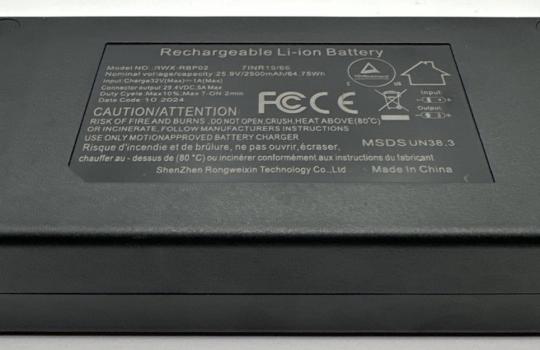
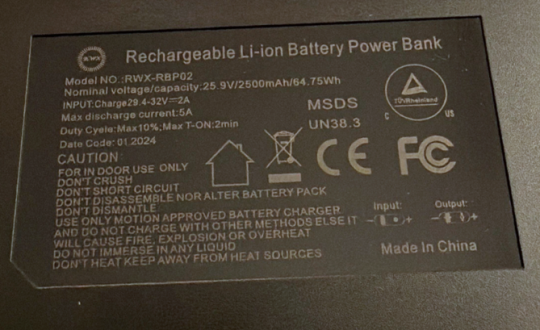
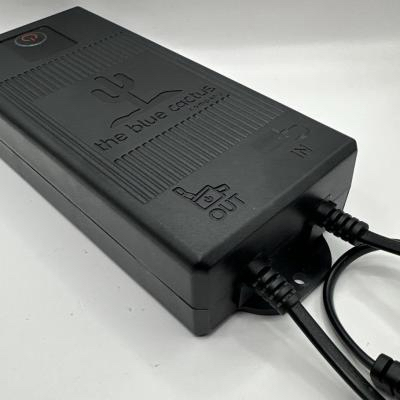
Affected model: RWX-RBP02. The black packs have Blue Cactus branding on the front and the model number on the rear.
Importer: Go North Rocket 28 AB, of Sweden.
Recall date: September 24, 2026.
CPSC recall number: 26-791.
Units: About 51,000.
Sold through: Amazon.com, from May 2023 through July 2026, for about $105.
Problem: The lithium-ion batteries can overheat, posing fire and burn hazards.
Reported incidents: CPSC identifies four reports involving overheating, smoking, or ignition. The notice does not provide a separate injury count.
Current remedy: A replacement battery pack at no cost, following the company’s confirmation that the owner has an affected unit.
Immediate consumer action: Stop using the recalled pack and contact Blue Cactus for the remedy.
Official CPSC recall notice:
https://www.cpsc.gov/Recalls/2026/The-Blue-Cactus-Company-Reclining-Chair-Battery-Packs-Recalled-Due-to-Fire-and-Burn-Hazards-Sold-on-Amazon
Blue Cactus recall information and replacement instructions:
https://www.thebluecactuscompany.com/
Consumer contact:
recall@thebluecactuscompany.com
Repair vs. Replace
Replace the recalled battery through the official remedy
The published remedy is battery-pack replacement, not a do-it-yourself battery repair. Owners should follow the recall process rather than open, modify, or attempt to repair an affected pack.
Treat whole-chair replacement as a separate decision
This notice does not announce a recall replacement of the entire chair. Our editorial takeaway is to establish what the official remedy covers before purchasing new furniture. However, a component remedy is not an inspection of an individual chair: suspected damage to the furniture or its electrical system requires separate professional assessment before reuse.
Based on Original Reporting and Information By
U.S. Consumer Product Safety Commission — official recall announcement, September 24, 2026:
https://www.cpsc.gov/Recalls/2026/The-Blue-Cactus-Company-Reclining-Chair-Battery-Packs-Recalled-Due-to-Fire-and-Burn-Hazards-Sold-on-Amazon
The Blue Cactus Company — product identification, replacement-request requirements, and estimated shipping window:
https://www.thebluecactuscompany.com/
U.S. Environmental Protection Agency — background on lithium-ion battery disposal and damaged-battery precautions:
https://www.epa.gov/recycle/used-lithium-ion-batteries
U.S. Consumer Product Safety Commission, SaferProducts.gov — consumer product-safety reporting:
https://www.saferproducts.gov/

The recalled Blue Cactus battery pack, pictured in CPSC’s recall notice. This is a product-identification photograph, not a photograph of a reported incident. Image: U.S. Consumer Product Safety Commission recall notice.

Rear-label view of the recalled Blue Cactus battery pack, showing its product identification. Image: U.S. Consumer Product Safety Commission recall notice.

Second rear-label view published with the Blue Cactus recall, showing model RWX-RBP02. Image: U.S. Consumer Product Safety Commission recall notice.
What Owners Should Know Before Replacing Anything
The recall presents two separate questions: how to remove the identified hazard from service, and whether the furniture itself needs replacement. CPSC identifies a battery product used with various recliner brands. A chair’s brand alone therefore does not establish whether its power pack is affected.
Owners should work from the battery’s model identification and official notice, not assume that normal performance means a recalled unit is safe. The stop-use instruction applies to the affected packs; it is not permission to keep using or charging them while waiting for a replacement.
Blue Cactus asks applicants for their name, email, phone number, order ID, shipping address and a clear photograph of the rear model label. Owners who cannot locate the requested information should contact the company for guidance rather than assume that they are automatically eligible or excluded. Do not handle a hot or damaged battery simply to obtain a claim photograph.
The company expects replacement packs to ship within six to eight weeks after confirming an affected unit. That describes an anticipated shipping window, not guaranteed arrival. The published information does not establish actual delivery performance or say that every claim has already been fulfilled.
For the repair-versus-replace decision, start with what the remedy actually covers. Replacing the power pack is different from replacing the chair, and neither is permission to repair the recalled battery yourself. A recall notice also cannot establish the condition of an individual chair after an overheating incident.
Where there is suspected damage to the chair or its electrical system, seek guidance from the furniture manufacturer or a qualified service professional before reuse. This article does not recommend a substitute charger, adapter or off-the-shelf battery. A connector that appears to fit is not an assessment of compatibility or safety.
Disposal is a separate part of resolving the recall. EPA explains that lithium-ion batteries can be crushed during ordinary waste processing and cause fires. For this recall, CPSC specifically excludes household trash, curbside recycling and ordinary retail battery collection boxes. Contact a household hazardous-waste program before taking the pack anywhere; confirm that it accepts recalled lithium-ion batteries and follow its directions.
People who experienced a safety incident can also report it to CPSC through SaferProducts.gov. That reporting channel is separate from Blue Cactus’s replacement request process.
Why This Matters
A recall should lead to an informed replacement decision, not an automatic purchase of a larger product. Here, the announced remedy addresses the battery pack. Understanding that scope can help owners avoid unnecessary spending while keeping the immediate safety instruction—stop using the recalled pack—at the center of the decision.
Learn More and Official Recall Resources
Check the affected product and official remedy — CPSC:
https://www.cpsc.gov/Recalls/2026/The-Blue-Cactus-Company-Reclining-Chair-Battery-Packs-Recalled-Due-to-Fire-and-Burn-Hazards-Sold-on-Amazon
Request the replacement remedy — Blue Cactus:
Use the “Important Recall Information” section and its replacement instructions.
https://www.thebluecactuscompany.com/
Contact the company about an affected pack or replacement request:
recall@thebluecactuscompany.com
Report a consumer product-safety incident — SaferProducts.gov:
This is a safety-reporting resource, not the company’s replacement-claim channel.
https://www.saferproducts.gov/
Read general battery-disposal guidance — EPA:
For this particular recalled product, follow the recall-specific disposal instructions and confirm acceptance with your local household hazardous-waste program rather than relying on a general battery drop-off listing.
https://www.epa.gov/recycle/used-lithium-ion-batteries
Source Note
This article draws on CPSC’s recall notice, Blue Cactus’s published recall instructions, and EPA’s general battery-disposal guidance. It distinguishes the announced battery replacement remedy from an owner’s separate decision about the chair.
The reporting does not include physical inspection or testing of a battery or chair, or independent verification of replacement shipments. The company’s shipping estimate and claim instructions may change. Replacement.com is not administering the recall; remedy requests should go directly to Blue Cactus.
Sources rechecked September 26, 2026. This article is an editorial synthesis prepared with AI-assisted research and writing. Sagacity Corporation retains responsibility for editorial judgment and publication.
Complete References and Citations
1. U.S. Consumer Product Safety Commission. “The Blue Cactus Company Reclining Chair Battery Packs Recalled Due to Fire and Burn Hazards; Sold on Amazon.” September 24, 2026. Recall number 26-791. Institutional source; no individual byline displayed.
2. The Blue Cactus Company. “Important Recall Information,” including affected-product identification, replacement-request requirements, anticipated shipping, and disposal instructions. No separate publication date or individual byline displayed. Reviewed September 26, 2026.
https://www.thebluecactuscompany.com/
3. U.S. Environmental Protection Agency. “Used Lithium-Ion Batteries.” Last updated March 20, 2026. Reviewed September 26, 2026. General background; the recall-specific disposal instructions remain controlling for this product.
https://www.epa.gov/recycle/used-lithium-ion-batteries
4. U.S. Consumer Product Safety Commission, SaferProducts.gov. Consumer product-safety reporting and public database. No publication date or individual byline displayed. Reviewed September 26, 2026.
https://www.saferproducts.gov.
5. U.S. Consumer Product Safety Commission. Product-identification photographs accompanying the Blue Cactus battery-pack recall notice dated September 24, 2026: one front view and two rear-label views. Individual photographer and photograph dates are not identified.
Front-view photograph:
https://www.cpsc.gov/s3fs-public/styles/recall_product/public/BlueCactus1.jpg?VersionId=QliYlJsfGuyag7HZrmL6eonPsTSUOmvT&itok=c92JzN9l
First rear-view photograph:
https://www.cpsc.gov/s3fs-public/styles/recall_product/public/BlueCactus2.jpg?VersionId=iHoQgdMyT7Eo3wOiV9Mj3gIMtehR.REw&itok=Gzrg4NDK
Second rear-view photograph:
https://www.cpsc.gov/s3fs-public/styles/recall_product/public/BlueCactus3.png?VersionId=4F1ZBsJJoNOZ2fxCyOkMLVb2NuNIclwx&itok=ZfmYyv9A
6. U.S. Consumer Product Safety Commission. “CPSC Privacy and Security Notice,” Copyright section. Explains permitted distribution of recall notices and photographs of recalled products, while distinguishing other image uses. Reviewed September 26, 2026.
https://www.cpsc.gov/About-CPSC/Policies-Statements-and-Directives/Privacy-Policy